What to consider when choosing curtain fabrics?
Dec 29, 2022

Curtains are popular home accessories that can add a finishing touch to a chosen interior design style. Some are purely decorative, while others may serve different functions, such as providing privacy, darkening a room, or helping with insulation. For curtains used in hotels, offices, theaters, or other public spaces, the list of requirements can be even longer. How to meet the growing needs of customers? Don't worry, anything is possible with the right fabric.
Each fabric produces a different look and brings different benefits. That's why knowing the look and edge you want to achieve and choosing fabrics accordingly. What to consider when choosing curtain fabrics? Here's a complete guide to help you choose the best curtain fabrics for your clients.
Criteria to consider when choosing curtain fabrics:
weight
Heavyweight fabric provides more privacy and insulation. However, these aren't the only reasons why you should consider fabric weight. Fabric weight is closely related to fabric drapability, in other words, it determines the fabric drapability. Lighter fabrics generally have more drape, flow and hang vertically, while heavier fabrics have little to no drape, are stiffer and hold creases better. Also, curtains in heavier fabrics must be combined with stronger curtain rods and accessories so they don't crack under the weight.
Density and Opacity
The density and opacity of the curtain fabric is directly related to the privacy that the curtain can provide. The thicker and more opaque the curtain fabric, the more light it will block and added privacy. Opaque fabrics are also great for sunny rooms, as they will dim the light or completely block it out, depending on the level of opacity.
patterns and colors
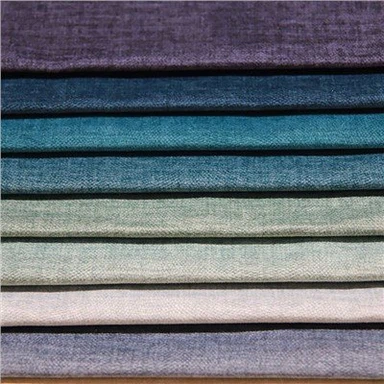
Curtain fabrics come in different patterns and colors. If you like simple elegance and clean lines, a solid, plain fabric might be a good choice. However, if you want to create a statement piece that won't go unnoticed, choose fabrics with larger, bolder patterns. Last but not least, don't forget to consider the functionality of the color you choose! For example, darker colors are more likely to fade in sunlight, while lighter colors are more likely to show dirt and stains. Therefore, you may want to use a light color for a sunny room and a darker color for a high-traffic, dusty room.
style
Do you want luxury or casual? Silk may be a good choice for an upscale home, while linen is perfect for a home decorated in a casual and laid-back style. Many other materials such as cotton, polyester or their blends are versatile and can be easily combined with different styles. This makes them ideal for homes with both traditional and contemporary interior designs.
durability
Nobody buys new drapes every year, so it's best to choose fabrics that last a long time. Some fabrics like silk and linen are known to fade more easily than others. Will the curtains be hung in direct sunlight? Then consider the more durable and fade-resistant polyester fabric.
maintain
Do you know how often you wash your curtains? While some fabrics like silk and velvet require dry cleaning, many synthetic fabrics and their blends can be washed and dried at home. What about ironing? Can the owner iron the curtains? Some fabrics wrinkle more easily than others. Polyester curtains generally do not require ironing. Plus, they can be washed or steamed without shrinking. So if you're looking for a low maintenance fabric, polyester is your best choice.
affordability
Different kinds of fabrics have different prices, so always keep your budget and that of your client in mind. While silk is very expensive, polyester is one of the cheapest fabrics. You can also order fabric in bulk if you want to save money. For example, at Fioretta Home you get a 15% discount if you order 100m or more of each colour.
Function
What attributes should your curtains have? There are many options: insulated curtains, blackout curtains, antibacterial curtains, flame-retardant curtains, stain-resistant curtains or sustainable curtains made of natural and biodegradable materials. Many of these properties can be achieved by applying special chemical finishes to the fabrics or yarns used to produce them. For blackout drapes, consider triple-weave fabrics that block up to 90 percent of light. Finally, recycled polyester fabrics are one of the options for eco-conscious customers.
supplier reliability
Why is this important? Imagine you are producing curtains for your customers and they are so popular that you want to buy the same fabric again. The last thing you want to hear from your supplier is that the fabric is out of stock. The best way to avoid this problem is to work directly with the manufacturer.