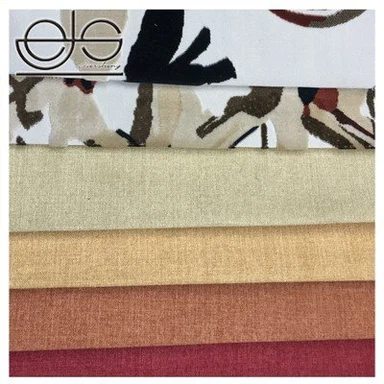
Comparison between digital printing and traditional screen printing
Feb 04, 2025
Digital printing and traditional screen printing are two common printing processes, each with its own advantages and disadvantages. The following is a detailed comparison of the two processes:
1. Color and pattern refinement
- Digital printing: The colors and patterns are more refined than those of screen printing. The inks for digital printing can be divided into dye-based inks and pigment-based inks. Dyes are bright in color and have advantages over pigments. In addition, the pattern refinement of digital printing is related to the characteristics of the inkjet print head and the printing speed. The smaller the ink droplets of the inkjet print head, the higher the printing precision.
- Screen printing: The color performance is not as good as digital printing. It mainly relies on pre-press ink color control and color matching according to four-color dots. Screen printing first requires negative plate making. The errors in the plate making process and the mesh count of the screen have an impact on the refinement of the pattern.
2. Production efficiency and cost
- Digital printing: High production efficiency, you can directly obtain the design pattern from the computer and quickly print it through the digital printing machine, eliminating the tedious steps of plate making and color matching in traditional printing. Small batch production (less than 1000m) printing is cheaper than traditional printing.
- Screen printing: The production efficiency is relatively low, and it requires steps such as plate making and color matching, but it is suitable for large-scale production of products with the same pattern.
3. Environmental performance
- Digital printing: It is a green and environmentally friendly production method. The printing process does not require water or color paste. Dyes are used on demand, and there is no waste dye liquid and color paste discharge, which causes very little pollution.
- Screen printing: A large amount of wastewater and waste ink are generated during the production process. There are solvents that pollute the environment, such as plasticizers. Printing workers will inevitably come into contact with chemical solvents, glues and other chemicals that affect workers' health.
4. Special effects
- Digital printing: It is difficult to achieve 3D stereoscopic effects.
- Screen printing: It can print 3D stereoscopic effects and is suitable for special printing pastes, such as gold, pearlescent colors, crack effects, suede foaming effects, etc.
5. Application fields
- Digital printing: suitable for small batch production and personalized customization, widely used in fashion workwear, clothing supplies, casual wear and swimwear fabrics, household fabrics, automotive interior decorations, flags and banners, T-shirts and special fabrics, wall decorations, umbrellas, trolley bags, shoes and hats, toys, ribbons and other fields.
- Screen printing: suitable for large-scale production of products with the same pattern, widely used in printing of various textiles and non-textiles.
6. Equipment and consumables cost
- Digital printing: The cost of equipment and consumables is high, the price of digital printing machines is high, and special inks and papers are required during the printing process.
- Screen printing: The cost of equipment and consumables is relatively low, but it requires steps such as plate making and color matching.
In summary, digital printing and traditional screen printing have their own advantages and disadvantages. The choice of which process depends on the specific application requirements, production scale and cost considerations.