

What are the reasons for the high cost of some velvet home textile fabric?
Oct 23, 2025
As a supplier of Velvet Home Textile Fabric, I've often been asked why some of our products come with a relatively high cost. There are multiple factors contributing to this, which I'll delve into in this blog post.
Raw Material Quality
One of the primary reasons for the high cost of certain velvet home textile fabrics is the quality of the raw materials used. High - end velvet is typically made from natural fibers such as silk or cotton. Silk, for example, is a luxurious and delicate material. The process of silk production is labor - intensive. Silkworms need to be carefully nurtured, and the silk threads they produce are painstakingly harvested. These silk threads are then spun into yarns, which are used to create the base of the velvet fabric. The natural luster and softness of silk give the velvet a rich and elegant appearance that is highly sought after.
Cotton, on the other hand, when used in high - quality velvet, is usually long - staple cotton. Long - staple cotton fibers are longer, stronger, and more uniform than regular cotton fibers. This results in a fabric that is more durable, has a smoother surface, and a better drape. The cultivation of long - staple cotton also requires specific growing conditions and more careful farming techniques, which drives up the cost of the raw material. For instance, Pima and Egyptian cotton, which are well - known for their high quality, are more expensive to produce compared to regular cotton varieties.
Manufacturing Process
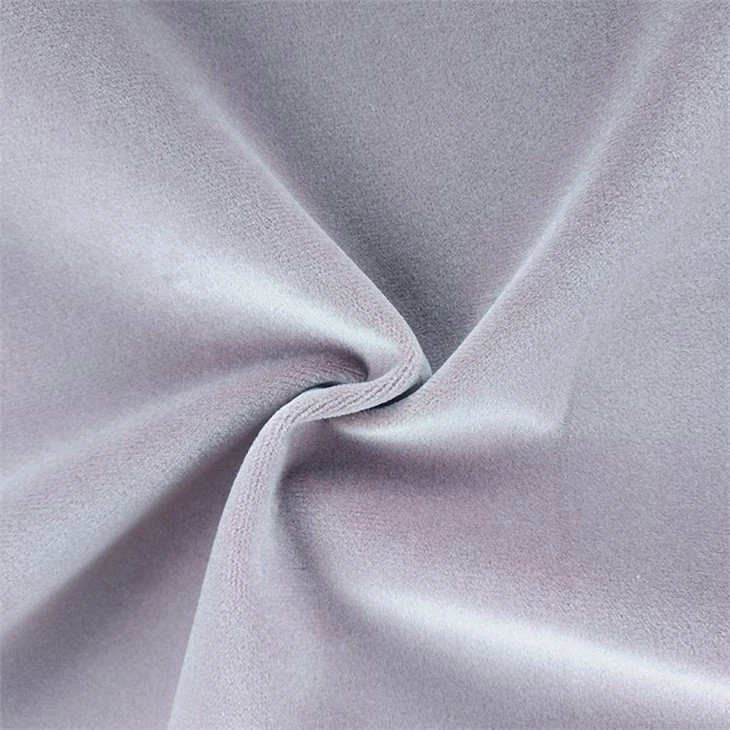
The manufacturing process of velvet home textile fabric is complex and time - consuming. Velvet is created through a special weaving technique that involves the formation of a pile on the surface of the fabric. This pile gives velvet its characteristic softness and plushness.
First, the base fabric is woven on a loom. Then, additional yarns are inserted to form the pile. This process requires precision and skill, as the length and density of the pile need to be carefully controlled to achieve the desired texture and appearance. After the weaving, the fabric goes through a series of finishing processes. These include singeing to remove any loose fibers on the surface, shearing to make the pile even, and dyeing or printing to add color and patterns.
Dyeing high - quality velvet is also a challenging task. The dyes need to penetrate the dense pile evenly to ensure consistent color throughout the fabric. Special dyes and dyeing techniques are often required to achieve this, especially when using natural dyes, which are more environmentally friendly but also more expensive. Moreover, some velvet fabrics may undergo additional treatments such as embossing or flocking to enhance their visual appeal, further increasing the manufacturing cost.
Design and Innovation
In the home textile market, design plays a crucial role. Customers are often attracted to unique and stylish velvet fabrics that can enhance the decor of their homes. Designers spend a great deal of time and effort in creating new patterns, color combinations, and textures for velvet home textile fabrics.
For example, some of our Christmas Velvet Home Textile Fabric features festive patterns and colors that are specifically designed for the holiday season. These designs require creative thinking and the use of advanced printing or embroidery techniques. The investment in design and R & D is significant, as companies need to stay ahead of the competition by offering fresh and appealing products.
In addition, innovation in terms of fabric functionality is also driving up the cost. Some velvet fabrics are now being developed with special properties such as stain resistance, moisture - wicking, or anti - microbial features. These functional enhancements require the use of special chemicals and technologies during the manufacturing process, which add to the overall cost of the fabric.
Labor and Overhead Costs
The production of velvet home textile fabric often involves a large amount of manual labor. Skilled workers are needed at every stage of the manufacturing process, from weaving to finishing. In regions where labor costs are high, this can significantly impact the price of the final product.
For example, in some developed countries, workers are paid higher wages, and there are also more strict labor regulations. This means that the cost of hiring and maintaining a workforce is higher compared to developing countries. Moreover, the factory needs to cover various overhead costs such as rent, utilities, equipment maintenance, and quality control. These costs are factored into the price of the fabric.
Brand and Reputation
A well - established brand in the home textile industry often commands a higher price for its velvet fabrics. Brands that have a reputation for quality, reliability, and innovation are more likely to charge a premium for their products. Customers are willing to pay more for a brand that they trust, as they believe they are getting a better - quality product and better customer service.
Our company, as a supplier of Home Textile Velvet Fabric, has built a reputation for providing high - quality velvet fabrics over the years. We invest in research and development, use the best raw materials, and have strict quality control measures in place. This has earned us the trust of our customers, and they are willing to pay a higher price for our products.
Market Demand and Supply
The law of supply and demand also plays a role in the high cost of some velvet home textile fabrics. If the demand for a particular type of velvet fabric is high and the supply is limited, the price will naturally increase.
For example, certain seasonal or trendy velvet fabrics may have a short - term surge in demand. Our Matte White Plain Velvet Home Textile Fabric has become very popular in recent years due to its elegant and modern look. As more customers are looking for this type of fabric, the supply may not be able to keep up immediately, leading to a higher price.
In conclusion, the high cost of some velvet home textile fabrics is due to a combination of factors including raw material quality, complex manufacturing processes, design and innovation, labor and overhead costs, brand and reputation, and market demand and supply. While these factors contribute to the higher price, they also ensure that customers are getting a product that is of high quality, stylish, and durable.

If you are interested in our velvet home textile fabrics and would like to discuss a potential purchase, please feel free to reach out. We are always ready to provide you with more information and work with you to meet your specific needs.
References
- "Textile Science and Technology" by Horrocks, A. R., & Anand, S. C.
- "Handbook of Textile Fibre Structure" by Hearle, J. W. S.
- Industry reports on the home textile market.