

What are the main applications of ultrasound fabric?
May 14, 2025
Ultrasound fabric, a remarkable innovation in the textile industry, has been gaining significant traction due to its unique properties and diverse applications. As a leading supplier of ultrasound fabric, I am excited to delve into the main applications of this versatile material.
Healthcare and Medical Applications
One of the most prominent areas where ultrasound fabric shines is in healthcare. Its ability to interact with ultrasonic waves makes it ideal for various medical devices and procedures.
Diagnostic Equipment
In ultrasound imaging, which is a crucial diagnostic tool in modern medicine, ultrasound fabric plays a vital role. The fabric can be used to create specialized probes or sensors that are in contact with the patient's body. These sensors need to be flexible, durable, and have good acoustic properties. Our Polyester Knitted Ultrasonic Home Textile Fabric is an excellent choice for such applications. It can conform to the body's contours, ensuring accurate and clear ultrasound images. The knitted structure provides flexibility, while the polyester material offers durability and resistance to wear and tear.
Therapeutic Devices
Ultrasound is also used for therapeutic purposes, such as promoting tissue healing and reducing pain. Ultrasound fabric can be incorporated into therapeutic devices to deliver targeted ultrasonic energy to the affected areas. For example, in physical therapy, ultrasound fabric - based pads can be placed on the skin to stimulate blood circulation and accelerate the recovery process. The fabric's ability to efficiently transmit ultrasonic waves makes it a valuable component in these therapeutic applications.

Home Textiles
The home textile industry has also embraced ultrasound fabric for its unique features and aesthetic appeal.
Bedding
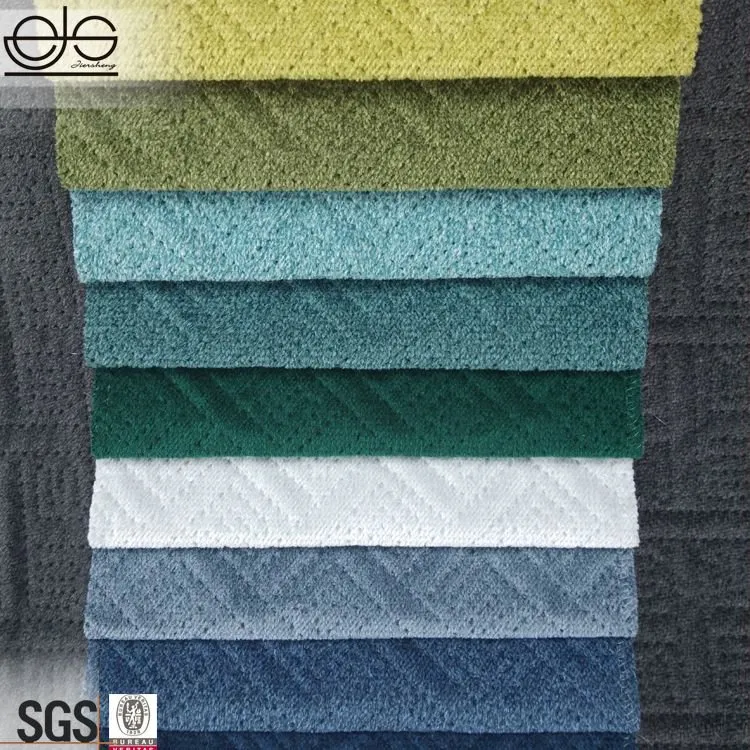
Ultrasound fabric can be used to create luxurious and functional bedding. Our Velvet Ultrasonic Home Textile Fabric is a prime example. Velvet has a soft and plush texture, and when combined with ultrasonic technology, it can offer additional benefits. Ultrasonic treatment can enhance the fabric's strength, making the bedding more durable. Moreover, it can also improve the fabric's moisture - wicking properties, keeping the sleeper dry and comfortable throughout the night.

Curtains
In the case of curtains, ultrasound fabric can provide both style and functionality. The fabric can be treated with ultrasonic waves to create unique patterns and textures, adding an elegant touch to any room. Additionally, ultrasound fabric curtains can have improved light - blocking and insulation properties. The treatment can help to seal the fabric's fibers, reducing heat transfer and preventing light from entering the room. This makes them an ideal choice for bedrooms and living rooms where privacy and comfort are important.
Industrial Applications
Ultrasound fabric has found its way into various industrial sectors due to its unique physical and chemical properties.
Filtration
In industrial filtration systems, ultrasound fabric can be used as a filter medium. The fabric's structure can be engineered to have specific pore sizes, allowing it to effectively filter out particles of different sizes. The ultrasonic treatment can further enhance the fabric's filtration efficiency by modifying the surface properties of the fibers. For example, it can make the fibers more hydrophilic or hydrophobic, depending on the application requirements. Our Polyester Ultrasonic Home Textile Fabric can be used in industrial filtration applications due to its durability and chemical resistance.
Cleaning
Ultrasound fabric can also be used in industrial cleaning processes. When combined with ultrasonic cleaning equipment, the fabric can help to remove dirt, grease, and other contaminants from surfaces more effectively. The ultrasonic waves generate microscopic bubbles in a cleaning solution, and the fabric can act as a carrier for these bubbles, ensuring that they reach all areas of the surface to be cleaned. This makes ultrasound fabric an essential component in industries such as automotive, aerospace, and electronics manufacturing, where thorough cleaning is crucial.
Wearable Technology
With the rise of wearable technology, ultrasound fabric has emerged as a promising material for creating smart clothing and accessories.
Fitness Trackers and Sensors
Ultrasound fabric can be integrated with sensors to create fitness trackers and other wearable health monitors. The fabric can be used as a substrate for the sensors, providing a comfortable and flexible platform for monitoring various physiological parameters such as heart rate, blood pressure, and body temperature. The ultrasonic properties of the fabric can also be used to improve the accuracy of the sensors by enhancing the transmission of signals.
Smart Clothing
In the development of smart clothing, ultrasound fabric can be used to create interactive and functional garments. For example, the fabric can be used to create clothing that can sense the environment and adjust its properties accordingly. It can also be used to incorporate haptic feedback systems, allowing the wearer to receive tactile signals from the clothing.
Conclusion
As we have seen, ultrasound fabric has a wide range of applications across various industries, from healthcare and home textiles to industrial and wearable technology. Its unique properties, such as flexibility, durability, and the ability to interact with ultrasonic waves, make it a highly versatile material.
If you are interested in exploring the potential of ultrasound fabric for your business, I encourage you to reach out for a procurement discussion. Our team of experts is ready to assist you in finding the right ultrasound fabric solutions tailored to your specific needs.
References
- "Textile Science and Technology: Fundamentals of Fibers, Yarns, and Fabrics" by Richard Postle, John E. McIntyre, and S. J. McCarthy.
- "Medical Ultrasound: Principles and Applications" by James F. Greenleaf.
- "Industrial Textiles: Manufacturing, Applications, and Performance" by B. C. Gupta.