

Is velvet curtain fabric hypoallergenic?
Nov 24, 2025
Is velvet curtain fabric hypoallergenic?
As a supplier of velvet curtain fabric, I often encounter questions from customers regarding the hypoallergenic properties of our products. This topic is not only crucial for those with allergies but also for anyone looking to create a healthy and comfortable living environment. In this blog, I will delve into the nature of velvet curtain fabric and explore whether it can be considered hypoallergenic.
Understanding Velvet Curtain Fabric
Velvet is a luxurious and soft fabric known for its distinctive pile, which gives it a smooth and plush texture. It has been used for centuries in various applications, including curtains, upholstery, and clothing. There are different types of velvet, each made from various materials such as silk, cotton, polyester, and blends.
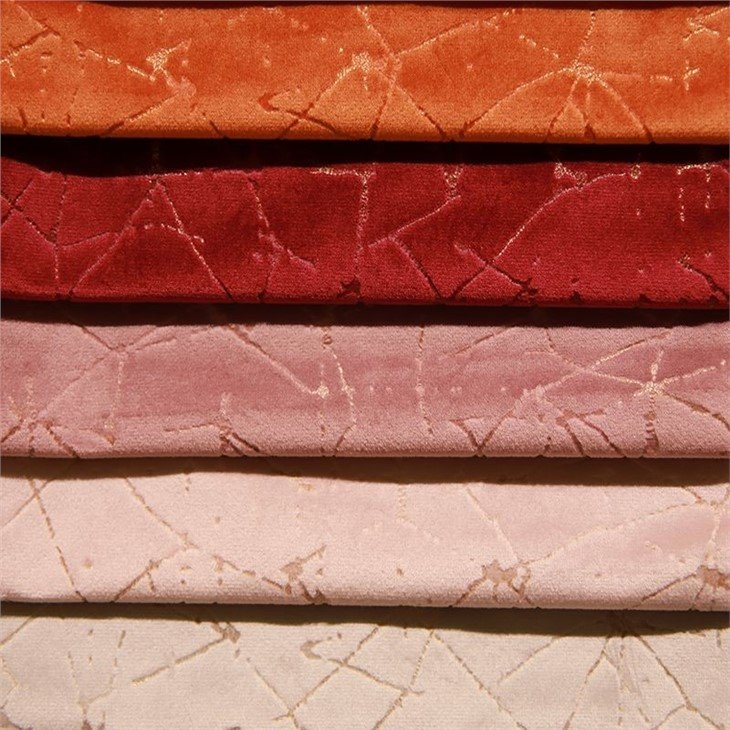
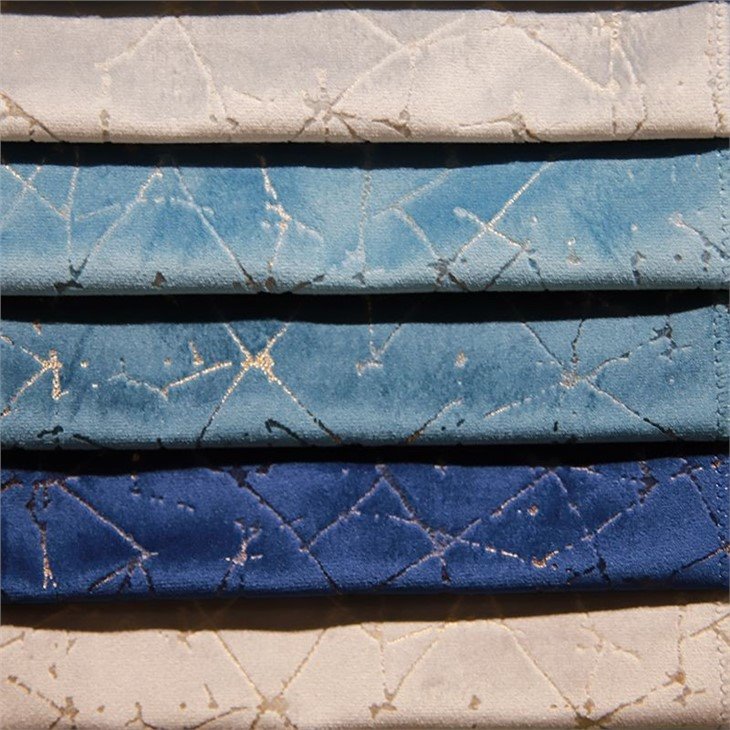
In the context of curtain fabric, polyester - based velvet is quite popular. Our Polyester Textile Velvet Curtain Fabric and Polyester Velvet Decorative Curtain Cloth are two examples. Polyester velvet is often favored due to its durability, colorfastness, and relatively lower cost compared to natural fiber velvets. Another type we offer is the Bronzing Curtain Shading Cloth, which combines the aesthetic qualities of velvet with shading functionality.
Factors Affecting Hypoallergenicity
Material Composition
The materials used to make velvet curtain fabric play a significant role in determining its hypoallergenic properties.
- Natural Fibers: Silk and cotton velvets are made from natural materials. Silk is a protein - based fiber, and some people may be allergic to the proteins in silk. Cotton, on the other hand, is generally considered hypoallergenic. It is a breathable fiber that rarely causes allergic reactions. However, if the cotton is treated with chemicals during the manufacturing process, such as dyes or finishing agents, it may trigger allergies in sensitive individuals.
- Synthetic Fibers: Polyester is a synthetic fiber. It is less likely to cause allergic reactions compared to some natural fibers. Polyester does not absorb moisture easily, which means it is less likely to harbor mold and mildew, two common allergens. Additionally, it is resistant to dust mites, another major source of allergies. Our polyester - based velvet curtain fabrics are designed to minimize the risk of allergic reactions, making them a suitable choice for allergy - prone individuals.
Dyeing and Finishing Processes
The dyeing and finishing processes used on velvet curtain fabric can also impact its hypoallergenicity.
- Dyes: Some dyes contain chemicals that can cause skin irritation and allergic reactions. At our company, we use eco - friendly and low - allergen dyes in the production of our velvet curtain fabrics. These dyes are free from harmful substances such as heavy metals and formaldehyde, reducing the risk of allergic responses.
- Finishing Agents: Finishing agents are used to enhance the fabric's properties, such as water - repellency or wrinkle - resistance. However, some finishing agents can be allergenic. We carefully select finishing agents that are safe for human use and do not pose a significant risk of allergic reactions.
Maintenance and Cleaning
Proper maintenance and cleaning of velvet curtain fabric are essential for maintaining its hypoallergenic properties.
- Dust and Pollen: Velvet fabric can trap dust and pollen particles. Regular vacuuming with a soft - brush attachment can help remove these particles. It is also recommended to wash the curtains periodically according to the manufacturer's instructions. Our polyester velvet curtain fabrics are relatively easy to clean and maintain, which helps in keeping them free from allergens.
- Mold and Mildew: As mentioned earlier, polyester velvet is less prone to mold and mildew growth. However, in high - humidity environments, it is still important to ensure proper ventilation to prevent the development of these allergens.
Evidence of Hypoallergenicity
While there is no absolute guarantee that any fabric is completely hypoallergenic, numerous studies have shown that synthetic fibers like polyester are generally more hypoallergenic than natural fibers. A study published in the Journal of Allergy and Clinical Immunology found that synthetic materials were less likely to cause allergic reactions compared to wool and silk.
In addition, customer feedback has also been positive. Many of our customers with allergies have reported that our polyester velvet curtain fabrics have not triggered any allergic symptoms. This real - world experience further supports the claim that our velvet curtain fabrics can be a good choice for allergy - sensitive individuals.
Conclusion
Based on the material composition, manufacturing processes, and maintenance requirements, our velvet curtain fabrics, especially those made from polyester, can be considered hypoallergenic to a large extent. The synthetic nature of polyester reduces the risk of allergic reactions caused by dust mites, mold, and mildew. Moreover, our careful selection of dyes and finishing agents ensures that the fabrics are safe for human use.
If you are looking for high - quality, hypoallergenic velvet curtain fabric, we invite you to explore our product range. Whether you need Polyester Textile Velvet Curtain Fabric, Polyester Velvet Decorative Curtain Cloth, or Bronzing Curtain Shading Cloth, we have the right solution for you. Contact us for more information and to start a procurement negotiation. We are committed to providing you with the best products and services to meet your needs.
References
- Journal of Allergy and Clinical Immunology. (Year). Comparison of allergic reactions to different fabric materials.