

How thick is plain fabric?
Dec 16, 2025
Hey there! I'm a supplier of plain fabric, and today I wanna chat about something that often gets overlooked but is super important: how thick is plain fabric?
You might be thinking, "Why does the thickness of plain fabric matter?" Well, it matters a whole lot! The thickness can determine what the fabric is best used for, how it feels, and even how long it'll last. Whether you're making a cozy blanket, a stylish dress, or some home decor, the right thickness of plain fabric can make all the difference.
Let's start by understanding the factors that affect the thickness of plain fabric. One of the main things is the type of fiber used. For example, natural fibers like cotton, linen, and wool have different thickness characteristics compared to synthetic fibers such as polyester and nylon. Cotton is a popular choice for plain fabric, and its thickness can vary depending on the quality and the way it's woven. A lightweight cotton plain fabric might be great for summer clothing, while a thicker cotton fabric could be used for winter jackets or upholstery.
Another factor is the weave of the fabric. There are different types of weaves, like plain weave, twill weave, and satin weave. In a plain weave, the threads are woven over and under each other in a simple pattern. This type of weave can result in a fabric that is relatively thin and lightweight. Twill weave, on the other hand, creates a diagonal pattern and can make the fabric a bit thicker and more durable. Satin weave gives a smooth and shiny finish, and the thickness can vary depending on the fiber and the tightness of the weave.
The density of the fabric also plays a role in its thickness. Density refers to how many threads are packed into a given area of the fabric. A fabric with a high thread count will generally be thicker and more substantial than one with a low thread count. This is because there are more threads per square inch, which adds to the overall bulk of the fabric.
Now, let's talk about some common measurements used to describe the thickness of plain fabric. One of the most common measurements is grams per square meter (gsm). This measurement tells you how many grams a square meter of the fabric weighs. A lower gsm indicates a thinner fabric, while a higher gsm means a thicker and heavier fabric. For example, a fabric with a gsm of 100 might be very thin and suitable for lightweight scarves or lingerie, while a fabric with a gsm of 300 or more could be used for heavy-duty upholstery or outerwear.
Another measurement is ounces per square yard (oz/yd²). This is a common measurement in the United States. Similar to gsm, a lower oz/yd² indicates a thinner fabric, and a higher oz/yd² means a thicker fabric.
So, how do you choose the right thickness of plain fabric for your project? It really depends on what you're making. If you're making a summer blouse, you'll probably want a thin and lightweight fabric, like a cotton with a low gsm. For a winter coat, you'll need a thicker fabric, such as a wool blend with a high gsm. If you're upholstering a sofa, you'll want a fabric that is thick and durable, like a Polyester Sofa Velvet Home Textile Fabric. This type of fabric is not only thick enough to withstand daily use but also has a luxurious look and feel.
If you're looking for something festive, the Christmas Velvet Home Textile Fabric is a great choice. Velvet is typically a thicker fabric, and this Christmas-themed version adds a touch of holiday spirit to your home decor.
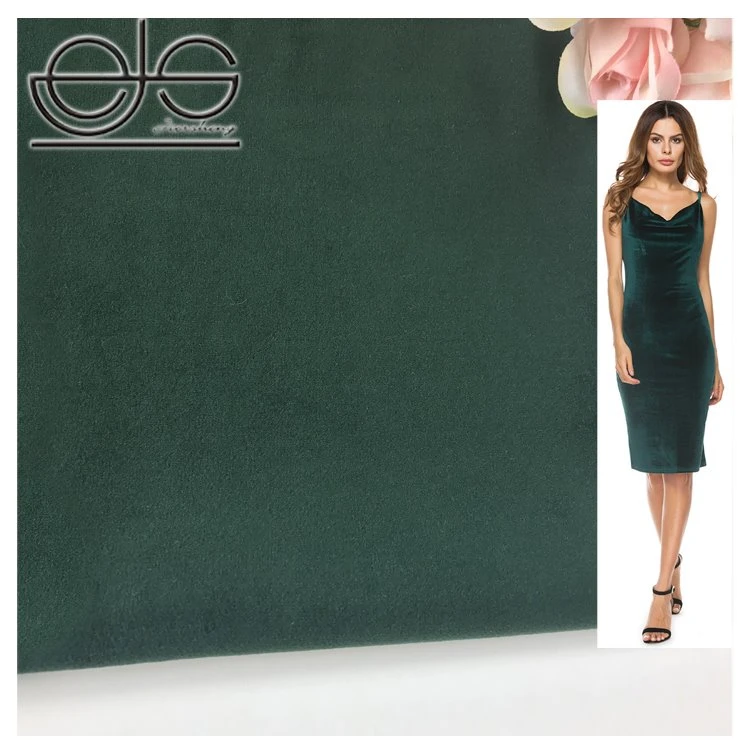

For a more casual and soft look, the Checked Soft Home Textile Fabric is perfect. It's thick enough to be used for pillows, curtains, or even a throw blanket, and the checked pattern gives it a classic and cozy feel.
As a plain fabric supplier, I've seen firsthand how important it is to choose the right thickness for your project. That's why I offer a wide range of plain fabrics in different thicknesses to meet your needs. Whether you're a professional designer, a DIY enthusiast, or just looking to spruce up your home, I've got the fabric for you.
If you're interested in purchasing our plain fabrics, don't hesitate to reach out. We can discuss your specific requirements, help you choose the right thickness and type of fabric, and even provide samples so you can see and feel the fabric before making a decision.
In conclusion, the thickness of plain fabric is an important factor that can affect the look, feel, and functionality of your project. By understanding the factors that influence thickness, the common measurements used to describe it, and how to choose the right thickness for your needs, you can make informed decisions and create amazing things with our plain fabrics. So, what are you waiting for? Let's get started on your next project together!
References
- Textile Manufacturing Handbook: A Comprehensive Guide to Fabric Production
- The Complete Book of Fabric: Understanding, Selecting, and Using Fabrics