

How does the quality of plain fabric vary with different manufacturers?
Dec 26, 2025
As a plain fabric supplier in the industry, I've had my fair share of experiences dealing with different manufacturers. And let me tell you, the quality of plain fabric can vary quite a bit depending on who's making it. In this blog, I'll share some insights on how these variations come about and what it means for you as a buyer.
Manufacturing Processes Matter
First off, the manufacturing process is a huge factor in determining the quality of plain fabric. Different manufacturers have their own ways of doing things, and these methods can significantly impact the end product.

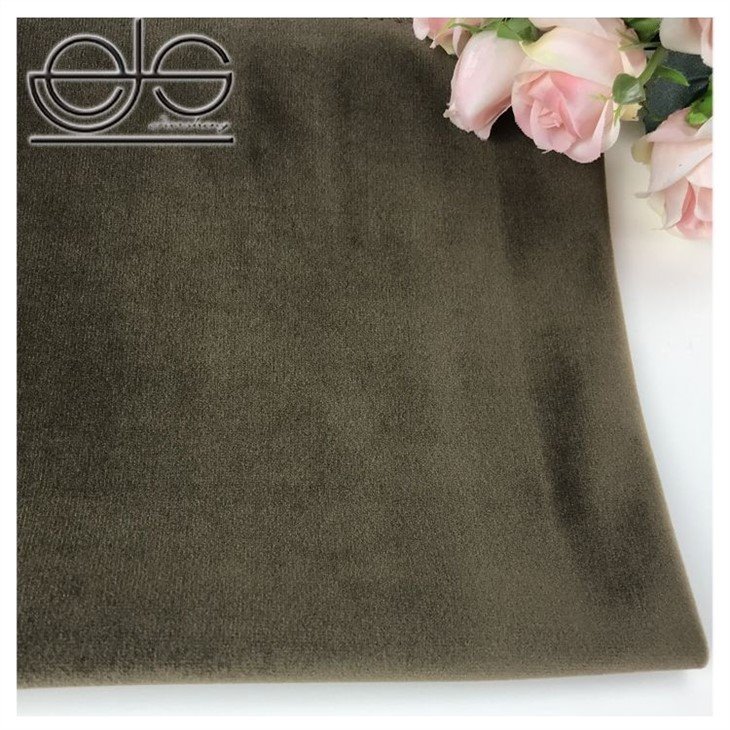
Some manufacturers use state - of - the - art machinery. These high - tech machines can produce fabric with a more consistent weave. For example, they can ensure that the threads are evenly spaced and tightly woven. This results in a fabric that's stronger and less likely to tear or fray. On the other hand, smaller manufacturers might rely on older equipment. The fabric produced by older machines may not have the same level of precision. You might notice some irregularities in the weave, with some areas looking a bit looser or having uneven tension.
Take the Italian Polyester Velvet Home Textile Fabric for instance. Italian manufacturers are often known for their advanced manufacturing techniques. They use top - notch equipment and highly skilled workers. The velvet fabric they produce has a luxurious feel, with a smooth and consistent surface. The pile of the velvet is evenly cut, which gives it a rich appearance and makes it durable. In contrast, a less experienced manufacturer might struggle to achieve the same quality. Their velvet may have a patchy appearance, with some parts of the pile being longer or shorter than others.
Raw Materials: The Building Blocks
The quality of raw materials is another crucial aspect. Manufacturers source their materials from different places, and the quality can vary widely.
High - end manufacturers usually go for the best raw materials. They might source cotton from regions known for producing high - quality fibers, like Egypt. Egyptian cotton is famous for its long, strong, and soft fibers. When used to make plain fabric, it results in a product that's not only comfortable but also has a high thread count. A high thread count means more threads are woven per square inch, which gives the fabric a smoother and more luxurious feel.
On the other hand, some manufacturers might cut corners by using lower - quality raw materials. For example, they might use cotton that has shorter fibers or is more prone to pilling. The Knitted Plain Polyester Home Textile Fabric can also be affected by the quality of polyester used. Cheaper polyester might not have the same durability or resistance to wrinkles as a higher - grade one. This can lead to a fabric that looks shabby after just a few washes.
Quality Control Standards
Quality control is the backbone of producing high - quality plain fabric. Different manufacturers have different levels of quality control in place.
Big, established manufacturers usually have strict quality control protocols. They inspect every roll of fabric at multiple stages of the production process. They check for things like color consistency, fabric weight, and the presence of any defects. If a roll of fabric doesn't meet their standards, it's either reworked or discarded. This ensures that only the best - quality products reach the market.
Smaller manufacturers, however, might not have such rigorous quality control. They may rely on a more cursory inspection, which means that some defects might slip through the cracks. For example, the Mattress Sofa Dyed Home Textile Fabric should have a consistent color. But if the manufacturer doesn't have proper quality control, you might end up with fabric that has color variations, which can be a real eyesore on a mattress or sofa.
Worker Skill and Experience
The skill and experience of the workers in a manufacturing facility also play a big role in the quality of plain fabric.
In a factory where workers are highly trained and experienced, they know how to handle the machinery properly and make adjustments as needed. They can spot potential problems early in the production process and take corrective action. For example, an experienced weaver can tell if the tension of the threads is off and make the necessary changes to ensure a consistent weave.
In contrast, in a factory with less - skilled workers, mistakes are more likely to happen. Workers might not be as familiar with the equipment, which can lead to production errors. This can result in fabric with flaws, such as uneven seams or misaligned patterns.
Environmental Factors
Believe it or not, environmental factors can also affect the quality of plain fabric during manufacturing.
Some manufacturers operate in facilities with controlled environments. They have proper temperature and humidity control, which is important for the production of certain types of fabric. For example, silk fabric is very sensitive to changes in humidity. If the humidity is too high or too low during the manufacturing process, it can affect the texture and strength of the silk.
On the other hand, manufacturers in less - controlled environments may face challenges. Fluctuations in temperature and humidity can cause the fabric to shrink, expand, or develop other issues. This can lead to variations in the quality of the final product.
What This Means for You as a Buyer
As a buyer, understanding how the quality of plain fabric varies with different manufacturers is crucial. If you're looking for high - quality fabric for your home textiles, like curtains or bedding, you'll want to do your research and choose a reliable manufacturer.
You can start by looking at customer reviews. If a manufacturer has a lot of positive reviews, it's a good sign that they produce high - quality products. You can also ask for samples from different manufacturers. This way, you can see and feel the fabric for yourself and compare the quality.
When you're ready to make a purchase, make sure to communicate your requirements clearly. If you need a fabric with a specific thread count, colorfastness, or durability, let the manufacturer know. This will help them provide you with the best - suited product.
Let's Talk Business
If you're in the market for plain fabric and want to ensure you're getting the best quality, I'm here to help! As an experienced plain fabric supplier, I've worked with a variety of manufacturers and can source the perfect fabric for your needs. Whether you're looking for Italian Polyester Velvet Home Textile Fabric, Knitted Plain Polyester Home Textile Fabric, or Mattress Sofa Dyed Home Textile Fabric, I can connect you with the right manufacturers. So, don't hesitate to reach out and let's start a conversation about your fabric requirements!
References
- Textile Industry Handbook: An overview of fabric manufacturing processes and quality control.
- Journal of Textile Science: Articles on the impact of raw materials on fabric quality.