

How does the pilling resistance of plain fabric compare to other fabrics?
Sep 10, 2025
As a seasoned plain fabric supplier, I've witnessed firsthand the dynamic interplay between different fabric types and their performance characteristics. One aspect that often comes under scrutiny is pilling resistance, a crucial factor influencing the longevity and aesthetic appeal of fabrics. In this blog, I'll delve into how the pilling resistance of plain fabric stacks up against other fabrics, offering insights based on industry knowledge and practical experience.
Understanding Pilling
Before we compare plain fabric with others, it's essential to understand what pilling is. Pilling occurs when short fibers on the fabric surface become loose due to friction, entangle with each other, and form small balls or "pills." This process can be accelerated by various factors, including the frequency of use, the type of activity, and the washing and drying methods. Fabrics with poor pilling resistance not only look worn out but also feel less comfortable against the skin.
The Pilling Resistance of Plain Fabric
Plain fabric, characterized by its simple and basic weave structure, typically offers good pilling resistance. The tight and uniform weave pattern holds the fibers firmly in place, reducing the likelihood of fibers becoming loose and forming pills. Additionally, plain fabrics are often made from high - quality fibers, such as cotton, linen, or synthetic materials like polyester, which are known for their durability.
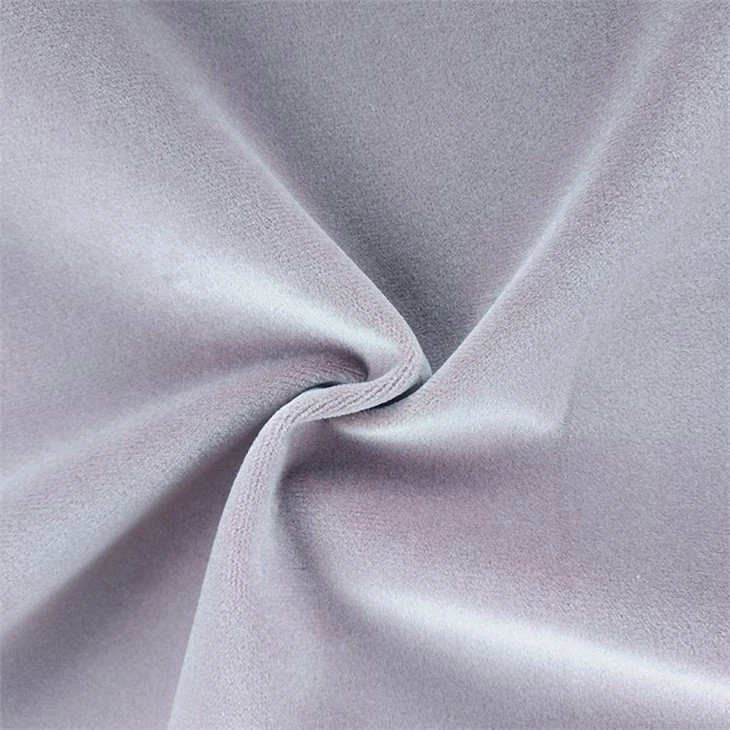
For example, our Matte White Plain Velvet Home Textile Fabric is a prime example of a plain fabric with excellent pilling resistance. The smooth and consistent surface of this velvet fabric is less prone to fiber entanglement, ensuring that it maintains its pristine appearance even after extended use.
Comparing with Other Fabrics
Knitted Fabrics
Knitted fabrics are popular for their stretch and comfort, but they generally have lower pilling resistance compared to plain fabrics. The looped structure of knitted fabrics makes the fibers more exposed and vulnerable to friction. When subjected to rubbing, the loops can break, and the loose fibers can easily form pills. For instance, a cotton - knitted sweater may start to pill after a few washes and wears, while a plain cotton fabric shirt of the same quality would show fewer signs of pilling.
Fuzzy or Fluffy Fabrics
Fabrics with a fuzzy or fluffy surface, such as chenille or some types of faux fur, are also more likely to pill. These fabrics have a large number of loose fibers on the surface, which are easily dislodged by friction. Our JES696 BRUSH VELVET UPHOLSTERY FABRIC FOR SOFA AND PILLOW, while having a soft and luxurious feel, has a better pilling resistance than many other fluffy upholstery fabrics due to its well - constructed plain - like base structure.
Blended Fabrics
Blended fabrics can vary widely in their pilling resistance depending on the fiber composition. A blend of polyester and cotton, for example, may offer better pilling resistance than pure cotton because polyester fibers are more resistant to abrasion. However, if the blend contains a high proportion of a fiber with poor pilling resistance, such as acrylic, the overall pilling performance of the fabric may be compromised. Our Italian Polyester Velvet Home Textile Fabric combines the durability of polyester with the elegance of velvet, resulting in a fabric that is both stylish and resistant to pilling.
Factors Affecting Pilling Resistance
Several factors can influence the pilling resistance of any fabric, including the following:
Fiber Length
Longer fibers are less likely to form pills because they are more firmly held in the fabric structure. Fabrics made from long - staple fibers, such as Egyptian cotton or high - quality wool, generally have better pilling resistance than those made from short - staple fibers.
Fiber Type
Synthetic fibers like polyester and nylon are generally more resistant to pilling than natural fibers. They are stronger and more abrasion - resistant, which means they can withstand friction without breaking or forming pills. However, natural fibers like cotton and linen have their own advantages, such as breathability and comfort.
Weave or Knit Structure
As mentioned earlier, the weave or knit structure plays a significant role in pilling resistance. Tight weaves, like those found in plain fabrics, hold the fibers more securely, while loose or open weaves allow fibers to move more freely and are more prone to pilling.
Maintaining Pilling Resistance
To maximize the pilling resistance of plain fabric and other fabrics, proper care is essential. Here are some tips:

- Washing: Turn the fabric inside out before washing to reduce friction between the fabric and other items in the washing machine. Use a gentle cycle and a mild detergent.
- Drying: Avoid high - heat drying, as it can cause fibers to shrink and become more brittle, increasing the risk of pilling. Air - drying is often the best option.
- Brushing: Regularly brushing the fabric with a soft brush can remove loose fibers before they have a chance to form pills.
Conclusion
In conclusion, plain fabric generally offers good pilling resistance compared to many other fabric types. Its simple and tight weave structure, combined with the use of high - quality fibers, makes it a reliable choice for applications where durability and a long - lasting appearance are important. Whether you're looking for upholstery fabric, home textiles, or clothing, our range of plain fabrics, such as JES696 BRUSH VELVET UPHOLSTERY FABRIC FOR SOFA AND PILLOW, Italian Polyester Velvet Home Textile Fabric, and Matte White Plain Velvet Home Textile Fabric, can meet your needs.
If you're interested in learning more about our plain fabric products or have specific requirements for your project, we invite you to reach out for a procurement discussion. We're committed to providing high - quality fabrics that meet your expectations in terms of both performance and aesthetics.
References
- Textile Institute. (2023). Handbook of Textile Science and Technology.
- ASTM International. (2022). Standards for Textile Testing.
- The Textile Association. (2021). Textile Fiber Properties and Applications.