

Does Jacquard Home Textile Pillow keep you cool at night?
Jan 12, 2026
As a supplier of Jacquard Home Textile Pillows, I often encounter questions from customers about the functionality of our products, especially regarding whether they can keep users cool at night. In this blog post, I'll delve into the scientific aspects of Jacquard Home Textile Pillows and explore their cooling properties.
Understanding Jacquard Home Textiles
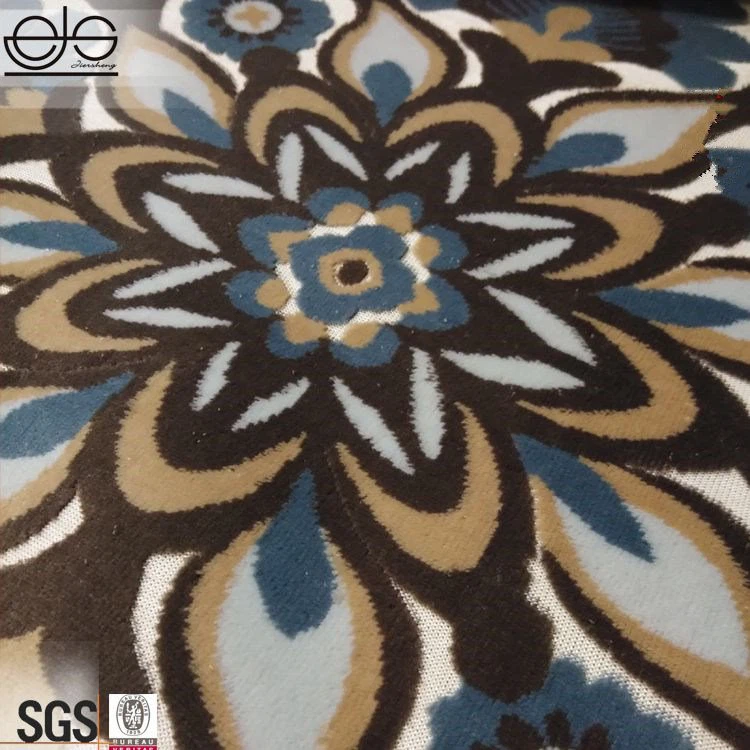
Jacquard weaving is a sophisticated technique that allows for the creation of intricate and detailed patterns in fabrics. This method is not only aesthetically pleasing but also has implications for the fabric's properties. Our Jacquard Home Textile Pillows are crafted from high - quality materials using this advanced weaving process.
Jacquard fabrics can be made from a variety of materials, including cotton, silk, polyester, and blends. Each material has its own unique set of properties that contribute to the overall performance of the pillow. For example, Jacquard Sofa Home Textile Velvet Fabric combines the luxurious feel of velvet with the patterned precision of Jacquard weaving. While it offers a soft and plush surface, velvet may not be the first choice for those seeking a cooling pillow as it tends to trap heat due to its dense pile.
On the other hand, Polyester Yarn - dyed Jacquard Home Textile Fabric has different characteristics. Polyester is a synthetic fiber known for its durability and wrinkle - resistance. It also has a relatively low moisture absorption rate, which means it won't hold onto sweat as easily as some natural fibers. However, polyester can sometimes feel warm against the skin because it doesn't breathe as well as natural materials.
Cotton is a popular choice for home textile pillows because of its breathability. When used in Jacquard weaving, cotton can create a pillow that allows air to circulate freely. The open structure of the cotton fibers helps to wick away moisture from the body, keeping the sleeper dry and potentially cooler. Our Floral Velvet Jacquard Home Textile Fabric, which may incorporate a blend of cotton and other fibers, can offer a balance between the softness of velvet and the breathability of cotton.
The Science of Cooling at Night
To understand whether a Jacquard Home Textile Pillow can keep you cool at night, we need to look at the science of thermoregulation during sleep. The human body has a natural internal temperature that it tries to maintain, and this process is affected by various factors, including the environment and the materials we come into contact with.
When we sleep, our body generates heat as a by - product of metabolic processes. If this heat cannot escape, we may feel hot and uncomfortable, which can disrupt our sleep. A good cooling pillow should have the ability to transfer heat away from the body and allow air to flow through it.
One important factor in heat transfer is the thermal conductivity of the pillow material. Materials with high thermal conductivity can quickly transfer heat away from the body, while those with low thermal conductivity will trap heat. For example, metals have high thermal conductivity, while insulators like foam have low thermal conductivity.
In the case of home textile pillows, the choice of fabric plays a crucial role in thermal conductivity. Natural fibers such as cotton and linen generally have better thermal conductivity than synthetic fibers like polyester. This is because the structure of natural fibers allows for better air circulation, which helps to dissipate heat.
Another aspect to consider is moisture management. When we sleep, we perspire, and a pillow that can effectively wick away this moisture will help to keep us cool. Fabrics with high moisture - wicking properties can draw sweat away from the body and allow it to evaporate, reducing the feeling of dampness and heat.
Testing and Performance of Jacquard Home Textile Pillows
At our company, we conduct various tests to evaluate the cooling performance of our Jacquard Home Textile Pillows. We measure the thermal conductivity of the fabrics used in the pillows and also assess their moisture - wicking capabilities.
In our thermal conductivity tests, we use a heat flux sensor to measure the rate at which heat is transferred through the pillow fabric. We compare different materials and weaving techniques to determine which ones offer the best heat transfer properties. Our results show that pillows made from cotton - based Jacquard fabrics tend to have better thermal conductivity than those made from polyester - dominant fabrics.
For moisture - wicking tests, we simulate sweating conditions by applying a small amount of water to the surface of the pillow fabric and measuring how quickly it spreads and evaporates. Fabrics that can quickly spread the moisture over a larger area and allow it to evaporate are considered to have better moisture - wicking properties. Our Jacquard pillows made with cotton blends have shown excellent moisture - wicking performance, which contributes to a cooler sleeping experience.

Customer Feedback and Real - World Experiences
In addition to our scientific testing, we also rely on customer feedback to understand the real - world performance of our Jacquard Home Textile Pillows. Many of our customers have reported that they feel cooler when using our pillows compared to other pillows they have tried.
Some customers have specifically mentioned the breathability of the fabric and the fact that they don't wake up feeling hot and sweaty. Others have appreciated the softness and comfort of the pillows, which also contribute to a better night's sleep. However, it's important to note that individual experiences can vary depending on factors such as sleeping position, body temperature, and personal preferences.
Conclusion and Call to Action
Based on scientific testing and customer feedback, our Jacquard Home Textile Pillows, especially those made with cotton - based fabrics, have the potential to keep you cool at night. The combination of breathability, moisture - wicking properties, and thermal conductivity makes them a great choice for those who struggle with overheating during sleep.
If you're interested in experiencing the cooling benefits of our Jacquard Home Textile Pillows for yourself, we invite you to reach out for a purchase discussion. We can provide more detailed information about our products, answer your questions, and help you choose the right pillow for your needs.
References
- Hu, J., Fan, J., & Wang, X. (2019). Thermal Comfort of Textiles: A Review. Journal of Thermal Science and Technology, 14(2), 1 - 15.
- Gibson, P. (2017). Textile Science. Pearson Education, Inc.