

What are the differences between Jacquard fabric and other fabrics?
Jan 01, 2026
Yo! If you're into fabrics, you've probably heard of jacquard fabric. I'm a supplier of jacquard fabric, and I'm here to spill the beans on how it differs from other fabrics. So, let's jump right in!
1. Weaving Technique
One of the biggest differences between jacquard fabric and other fabrics lies in the weaving technique. Most regular fabrics, like plain - weave or twill - weave fabrics, use a relatively simple loom setup. In plain weave, the warp and weft threads simply pass over and under each other in an alternating pattern. Twill weave has a diagonal pattern created by the way the threads interlace, but it still follows a set, repeating sequence.
On the other hand, jacquard fabric is woven using a jacquard loom. This type of loom allows for much more complex and intricate patterns. The jacquard loom uses a system of punched cards or electronic controls to individually control each warp thread. This means that virtually any pattern, no matter how detailed, can be woven directly into the fabric. It's like the difference between drawing simple shapes and creating a beautiful, detailed painting.
For example, if you want a fabric with a unique floral pattern that has different colors and shapes in every section, a regular loom just won't cut it. A jacquard loom can bring that design to life in one continuous piece of fabric.
2. Pattern Permanence
Patterns on jacquard fabric are permanent. Since the pattern is woven directly into the fabric during the manufacturing process, it won't fade or wash out easily. You can wash, dry, and wear jacquard fabric items over and over again, and the pattern will remain as sharp as the day you bought it.
In contrast, many other fabrics have patterns that are printed on the surface. Printed patterns can start to fade after a few washes, especially if the fabric is exposed to harsh detergents or high - heat drying. For instance, a printed cotton T - shirt might lose its bright colors and sharp design after a half - dozen washes, while a jacquard silk scarf will keep its intricate pattern intact for years.
3. Texture and Feel
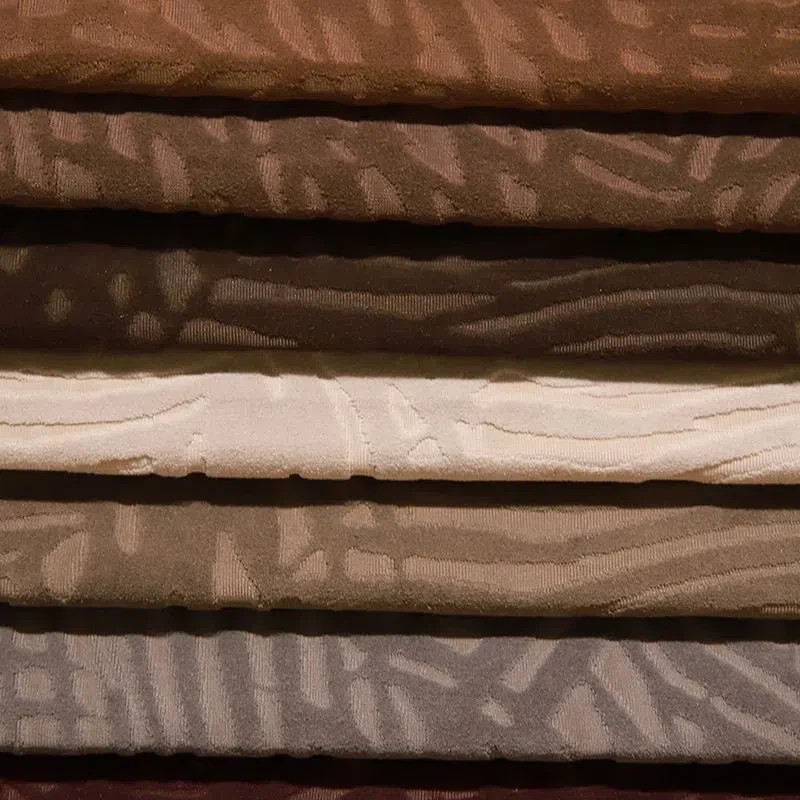
Jacquard fabric often has a more luxurious texture compared to many other fabrics. The way the threads are woven to create the pattern can give the fabric a raised or embossed look and feel. This adds a three - dimensional quality to the fabric, making it more interesting to touch and look at.
Some regular fabrics, like basic cotton or polyester blends, tend to have a flat, two - dimensional feel. They're smooth to the touch but lack the depth and richness that jacquard fabric offers. For example, imagine feeling a silk jacquard tablecloth. The raised pattern gives it a soft, almost velvety texture, while a regular silk tablecloth might just feel like a plain, flat sheet.
4. Versatility in Design
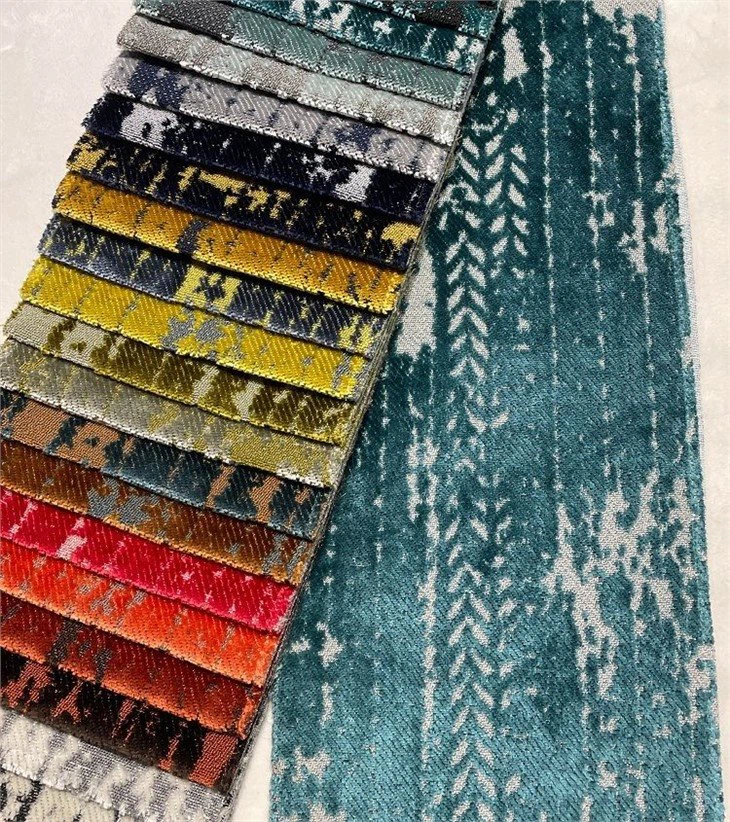
Jacquard fabric offers unparalleled versatility in design. You can create almost any kind of pattern, from geometric shapes to realistic images of animals or landscapes. This makes it a favorite among designers for a wide range of applications, from high - end fashion to home decor.
If you're into home textiles, jacquard fabric can be used to make stunning curtains, bedspreads, and sofa covers. Check out our Chenille Jacquard Fabric, Stretch Jacquard Fabric, and Polyester Sofa Jacquard Home Textile Fabric. These fabrics come in a variety of patterns and colors, perfect for enhancing the look of your living space.
In the fashion world, designers use jacquard fabric to make elegant dresses, suits, and accessories. The ability to create unique patterns allows for one - of - a - kind pieces that stand out from the crowd. Other fabrics may be limited in terms of the designs they can achieve. For example, a denim fabric is typically known for its basic blue color and the simple twill pattern, and it's not as easy to create complex, custom designs on it as it is with jacquard.
5. Durability
Jacquard fabric is generally quite durable. The tight weaving of the threads that creates the pattern also contributes to the fabric's strength. This means that jacquard fabric items can withstand regular use and wear and tear.
Some lightweight, printed fabrics may be more prone to tearing or fraying. For example, a thin, printed chiffon might snag easily on a rough surface, while a jacquard wool blend fabric will hold up better under similar conditions.
6. Cost
Due to the complex weaving process and the high - quality materials often used, jacquard fabric is usually more expensive than many other types of fabrics. The cost of operating a jacquard loom, especially when creating intricate patterns, is higher. The materials used, such as silk or high - grade cotton, also add to the cost.
Regular cotton or polyester fabrics are mass - produced using simpler weaving techniques, which makes them more affordable. However, when you're looking for a fabric that offers unique design, durability, and a luxurious feel, the extra cost of jacquard fabric is often worth it.
Contact for Purchase
If you're interested in purchasing jacquard fabric for your fashion line, home decor project, or any other application, I'd love to talk to you. Whether you're looking for a specific pattern or need advice on the best type of jacquard fabric for your needs, I'm here to help. Just drop me a message, and we can start discussing your requirements.
References
- Textile Institute Handbook of Textile Design, Weaving and Bleaching.
- The Technology of Textile Weaving by A. R. Horrocks.